How to Work With Your Climate — Not Against It — for Better Harvests Every Season
📢 Affiliate Disclosure: This article contains affiliate links. If you purchase through these links I may earn a small commission at no extra cost to you. Thank you for supporting Grow Glow Garden

Every experienced Jamaican gardener knows that feeling — you plant the same crop in the same spot using the same method and some seasons it thrives spectacularly while other seasons it struggles without any obvious explanation. The vegetables that grew abundantly during last year’s dry season seem to melt in this year’s heat. The beans that produced so well in the rainy season last year are now drowning in waterlogged soil.
The difference almost always comes down to one thing — how well your gardening practices are adapted to the specific seasonal and climate conditions you are actually facing right now rather than a generalized ideal. Successful gardening in Jamaica and across the Caribbean is not about applying a fixed formula year after year — it is about reading your environment understanding your climate patterns and adapting your approach to work with nature rather than against it.
This comprehensive guide covers everything Jamaican home gardeners and small farmers need to understand about seasonal and climate-adaptive gardening — from understanding your climate zone and planning your seasonal planting calendar to implementing climate-resilient strategies that will keep your garden productive through whatever conditions Jamaica’s weather delivers. Whether you are facing an unusually dry dry season an exceptionally wet rainy season or the increasingly unpredictable conditions that climate change is bringing to the Caribbean — this guide gives you the knowledge and tools to adapt and thrive.
1. Understanding Your Climate Zone
Before you can garden adaptively you need to understand the climate conditions you are actually working with. Jamaica occupies a unique climate position that gives gardeners both remarkable opportunities and specific challenges that require adaptive strategies.
Jamaica’s Climate Classification
Jamaica falls within the tropical maritime climate zone — characterized by warm temperatures year-round high humidity relatively abundant rainfall with significant seasonal variation and the ever-present influence of trade winds and occasional tropical weather systems. Understanding this classification helps Jamaican gardeners make sense of why certain crops perform differently here than they do in the temperate climate zones that most commercially available gardening advice is written for
Jamaica’s Two Primary Seasons
The Dry Season — November through April
Jamaica’s dry season brings reduced rainfall lower humidity and the clearest most consistent sunshine of the year. Temperatures remain warm — typically 24 to 30 degrees Celsius in lowland areas — but nights can be noticeably cooler especially in the Blue Mountains and other elevated areas. The dry season is generally the most favourable time for growing fruiting vegetables like tomatoes peppers cucumbers and melons which need consistent sunshine and dislike excessive humidity.
- Average rainfall — 50 to 100mm per month depending on location
- Temperature range — 24 to 30 degrees Celsius in lowland areas
- Humidity — lower and more comfortable than rainy season
- Key challenge — irrigation management and soil moisture conservation
- Key opportunity — excellent conditions for fruiting vegetables and most herbs
The Rainy Season — May through October
Jamaica’s rainy season brings increased rainfall higher humidity and the risk of tropical weather systems including hurricanes. Temperatures remain similar to the dry season but the combination of heat and high humidity creates challenging conditions for some crops while providing ideal conditions for others. The rainy season is when Jamaica’s lush tropical vegetation truly comes alive — and with proper management it can be extremely productive for gardeners who choose the right crops and implement the right protective strategies.
- Average rainfall — 150 to 300mm per month — significantly more in mountainous areas
- Temperature range — 26 to 32 degrees Celsius with high humidity
- Humidity — high to very high — creates fungal disease pressure
- Key challenge — drainage waterlogging fungal disease and hurricane risk
- Key opportunity — fast growth rates and ideal conditions for leafy greens
🇯🇲 Jamaica Tip: Jamaica’s rainfall is not evenly distributed across the island — the north coast and Blue Mountain areas receive significantly more rainfall than the south coast parishes including Clarendon St Catherine and St Elizabeth. Gardeners in drier south coast parishes need to plan for more intensive irrigation even during the rainy season while north coast and mountain gardeners need to focus more heavily on drainage management throughout the year.
Microclimates Within Your Garden
Beyond Jamaica’s island-wide seasonal patterns every individual garden has its own microclimates — small-scale variations in temperature moisture wind exposure and light that can differ significantly from the surrounding area. Understanding and mapping your garden’s microclimates allows you to place each crop in the specific spot where it will perform best.
Common Garden Microclimates
- South-facing slopes and walls — warmer drier and receive more intense sunshine — ideal for heat-loving fruiting crops
- North-facing areas and shade of trees or buildings — cooler and more humid — better for leafy greens and shade-tolerant crops
- Low-lying areas and depressions — collect cold air at night and water during rainfall — risk of waterlogging and frost damage at elevation
- Elevated positions and ridges — more exposed to wind and drying effects — better drainage but faster soil moisture loss
- Areas near large water bodies — more stable temperatures and higher humidity — beneficial for moisture-loving crops
💡Pro Tip: Spend one full growing season observing and mapping your garden’s microclimates before making permanent planting decisions. Note where water pools after heavy rain where the soil dries fastest where wind exposure is strongest and where morning versus afternoon shade falls. This knowledge pays dividends in better crop placement for every season after.
2. Seasonal Planting Guide for Jamaica
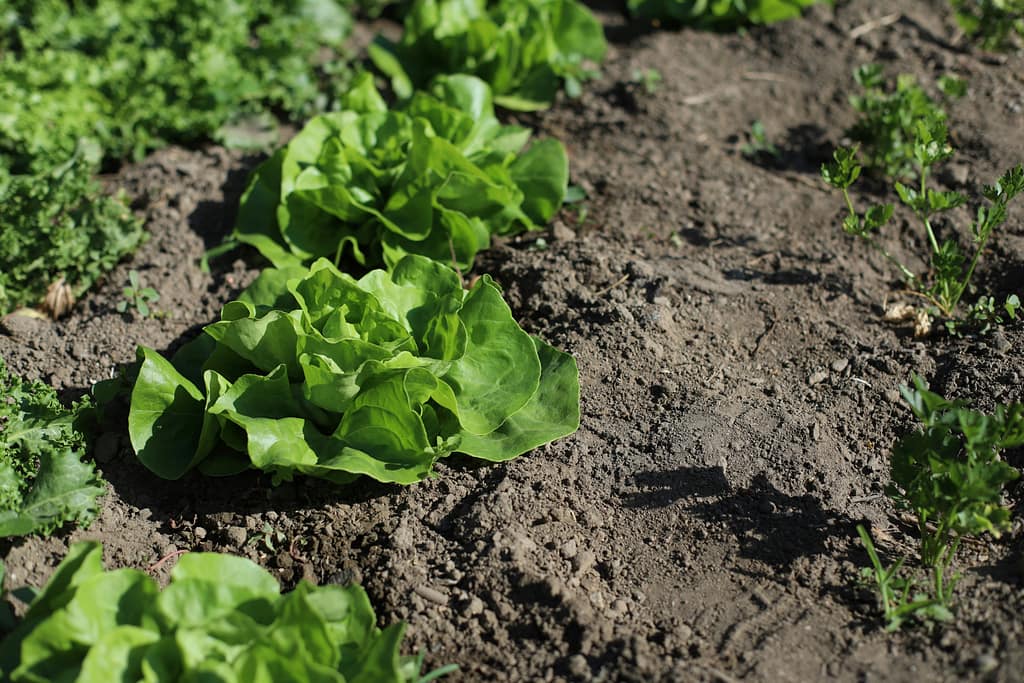
Knowing which crops to plant in which season is the foundation of successful Jamaican gardening. The following guide covers the optimal planting windows for the most important crops grown by Jamaican home gardeners and small farmers.
Dry Season Planting — November to April
Ideal Dry Season Crops
The dry season’s combination of consistent sunshine reduced humidity and cooler nights creates ideal conditions for crops that need extended sunlight for fruit development and dislike the fungal disease pressure that comes with high humidity.
- Tomatoes — plant November through January for harvest February through April
- Peppers including scotch bonnet — plant October through December
- Cucumbers — plant November through February
- Melons and watermelons — plant December through February
- Corn — plant November through January
- Carrots and root vegetables — plant November through January
- Onions and escallion — plant throughout dry season
- Most herbs — thyme basil rosemary parsley — plant throughout dry season
- Legumes — beans and peas — plant November through February
🇯🇲 Jamaica Tip: The dry season is Jamaica’s prime tomato growing season — the consistent sunshine and lower humidity dramatically reduce the blight and other fungal diseases that devastate tomato crops during the wetter months. If you grow tomatoes only once per year make it a dry season planting for the best results with minimum disease pressure.
Rainy Season Planting — May to October
Ideal Rainy Season Crops
The rainy season’s abundant moisture and warm temperatures create ideal conditions for fast-growing leafy vegetables and tropical crops that love humidity. Strategic crop selection for the rainy season focuses on varieties that can handle wet feet and high humidity while producing abundantly in the warm moist conditions.
- Callaloo — thrives in rainy season warmth and moisture — plant May through August
- Pak choi — fast growing and productive in rainy season — plant May through September
- Sweet potato — loves warm humid conditions — plant May through July
- Yam and dasheen — tropical root crops that love rainy season warmth
- Pumpkin and squash — vigorous rainy season growers — plant May through June
- Cho cho — thrives in rainy season conditions — plant June through August
- Ackee — fruiting season often coincides with rainy season
- Breadfruit — thrives in humid conditions year round
💡 Pro Tip: During the rainy season focus on crops that can be harvested quickly — within 30 to 60 days — before persistent wet weather creates fungal disease pressure. Succession planting every 3 to 4 weeks with fast-maturing crops like pak choi radishes and salad greens keeps your garden productive without the risk of losing a long-season crop to disease.
Year-Round Crops for Jamaica
Some crops are sufficiently adaptable to Jamaica’s climate to produce reasonably well in both seasons with appropriate management adjustments:
- Escallion and spring onions — plant year round with irrigation in dry season
- Thyme — highly drought tolerant and disease resistant — grows year round
- Callaloo — though best in rainy season produces adequately year round with water
- Cherry tomatoes — more disease resistant than standard varieties — extended season possible
- Dwarf beans — fast maturing enough to fit into gaps in either season
- Lettuce and salad greens — provide afternoon shade in dry season heat
3. Climate-Adaptive Strategies
Understanding your climate zone and seasonal patterns is only the first step. The real art of climate-adaptive gardening lies in the strategies you implement to work with the condition’s nature provides — maximizing the advantages of each season while protecting your garden from its specific challenges.
Dry Season Adaptive Strategies
Water Conservation and Irrigation
The dry season’s primary challenge for Jamaican gardeners is maintaining adequate soil moisture without excessive water use. These strategies help you grow productive crops while conserving this precious resource:
- Mulch heavily — apply 3 to 4 inches of organic mulch around all plants to reduce evaporation by up to 70 percent
- Water deeply and less frequently — deep watering encourages deep roots that access moisture from lower soil layers
- Water in the early morning — reduces evaporation losses and ensures plants are hydrated before midday heat
- Use drip irrigation where possible — delivers water directly to root zones with minimal evaporation
- Create water-retaining basins around plants — small earthen rings that hold water and direct it toward roots
- Collect and store rainwater during early dry season when occasional showers still occur
Heat Stress Management
As dry season temperatures peak in March and April heat stress becomes an increasing challenge for some crops. These strategies help protect heat-sensitive plants:
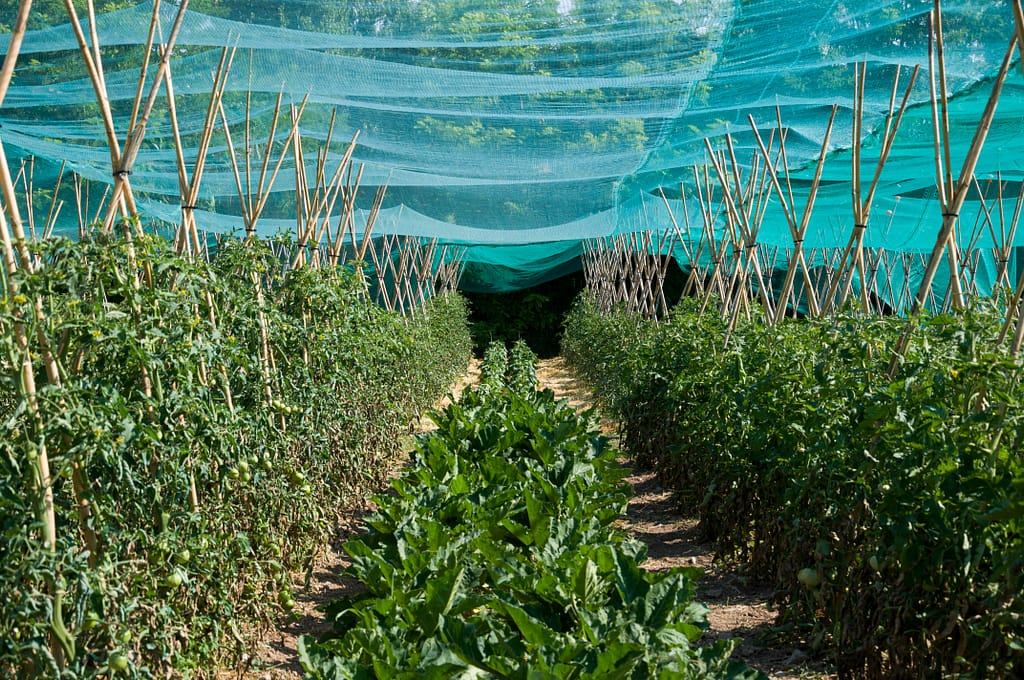
- Provide afternoon shade using shade cloth rated at 30 to 40 percent for heat-sensitive leafy crops
- Use reflective mulch to reduce soil temperature around sensitive root systems
- Plant heat-sensitive crops on the east side of trellises or taller plants for afternoon shade
- Increase watering frequency during the hottest weeks to maintain soil moisture and cool root zones
Rainy Season Adaptive Strategies
Drainage and Waterlogging Prevention
Waterlogged soil during the rainy season is the leading cause of crop failure for Jamaican gardeners. These drainage strategies prevent the root rot and anaerobic soil conditions that kill plants in wet conditions:
- Raise garden beds by at least 6 to 12 inches above surrounding ground level to keep roots above water table
- Create drainage channels between beds to direct excess water away from root zones
- Improve soil structure by incorporating generous amounts of compost which increases drainage in clay soils
- Add perlite or coarse sand to particularly heavy clay soils to improve drainage
- Never walk on wet garden soil — this compacts it and worsens drainage problems significantly
- Plant on mounded ridges for in-ground crops — traditional Jamaican farming technique that works excellently
💡 Pro Tip: The traditional Jamaican practice of mounding soil into ridges before planting is one of the most effective drainage strategies available for rainy season gardening. Mounds just 20 to 30cm high can make the difference between thriving crops and waterlogged failures during heavy rainfall periods.
Fungal Disease Prevention
Jamaica’s rainy season combination of warmth and high humidity creates near-ideal conditions for fungal plant diseases. Proactive prevention is far more effective than treatment once disease is established:
- Apply preventative copper fungicide spray to tomatoes and peppers at the start of rainy season before symptoms appear
- Apply neem oil spray every 14 days throughout rainy season to suppress fungal growth
- Improve air circulation between plants through proper spacing and regular pruning of overcrowded growth
- Water at the base of plants only — never overhead — as wet leaves dramatically accelerate fungal spread
- Remove and destroy any diseased plant material immediately — never compost it
- Rotate crops each season to prevent soil-borne disease build-up
Hurricane and Extreme Weather Preparedness
Jamaica’s location in the Caribbean hurricane belt means every rainy season garden is potentially at risk from tropical storms and hurricanes. Preparing your garden for extreme weather before it strikes is far less costly than recovering after a major storm:
- Stake and support all tall plants including tomatoes peppers corn and climbing crops before June when hurricane season peaks
- Harvest all mature or near-mature produce before the approach of any tropical system regardless of predicted intensity
- Have shade cloth and plastic sheeting readily available to cover beds quickly when heavy weather threatens
- Consider hurricane-resistant crop choices for June through October planting — low-growing crops like sweet potato callaloo and pak choi survive storms better than tall fruiting crops
- After storm damage — allow soil to drain before replanting assess plant damage and replant quickly to minimise lost growing time
🇯🇲 Jamaica Tip: The weeks immediately after a hurricane or major tropical storm passing Jamaica are actually an excellent time to replant fast-growing crops like callaloo and pak choi. The storm has typically recharged soil moisture and cleared some pest populations and the fast-growing crops can establish and produce their first harvest within 30 to 40 days taking full advantage of the post-storm conditions.

4. Soil and Microclimate Adjustments
The soil beneath your garden and the microclimate above it are the two most controllable aspects of your growing environment. Strategic management of both can dramatically extend your productive growing season and improve performance across all seasonal conditions.
Building Climate-Resilient Soil
Healthy living soil with excellent structure and abundant organic matter is your garden’s best defence against climate extremes. Soil rich in organic matter retains moisture better during dry periods drains more efficiently during wet periods maintains more stable temperatures through temperature extremes and supports the beneficial microbial life that keeps plants healthy and disease-resistant.
Building Soil Organic Matter
- Apply 2 to 4 inches of compost to all garden beds at the start of each growing season
- Practice in-situ composting by digging kitchen scraps and plant trimmings directly into garden beds between crops
- Use cover crops like cowpea or pigeon peas during fallow periods to add organic matter and fix nitrogen
- Apply mulch year round — as it breaks down it continuously adds organic matter to the soil
- Never leave soil bare and exposed — cover with mulch or a growing crop at all times
Adjusting Soil pH for Different Seasons
Soil pH — the measure of soil acidity or alkalinity — affects nutrient availability and plant health significantly. Most vegetables prefer a pH between 6.0 and 7.0 but Jamaica’s heavy rainfall during the rainy season can acidify soil over time as calcium and magnesium are leached away. Testing and adjusting soil pH seasonally helps maintain optimal growing conditions:
- Test soil pH at the start of each growing season using a simple pH testing kit
- If pH falls below 6.0 — too acidic — apply agricultural lime to raise pH
- If pH rises above 7.5 — too alkaline — apply sulphur or acidifying fertilizer to lower pH
- Organic matter addition generally helps stabilize pH at optimal levels over time
As an Amazon Associate, I earn from qualifying purchase.
Creating and Utilizing Microclimates
Creating Shade Microclimates
In Jamaica’s intense tropical sun creating strategic shade is often the difference between thriving crops and heat-stressed failures especially for leafy vegetables during the peak dry season months:
- Plant tall crops like corn sugarcane or tall trellised plants on the south side of shorter heat-sensitive crops
- Use shade cloth structures to create permanent or seasonal shade for specific beds
- Train climbing crops over arches or pergolas to create shaded growing areas below
- Use the natural shade of fruit trees for shade-tolerant crops like ginger turmeric and some leafy greens
Creating Wind-Sheltered Microclimates
Strong winds — especially during the hurricane season and from the Caribbean trade winds — cause physical damage to plants increase water loss through transpiration and can dry out soil rapidly. Strategic wind protection improves growing conditions significantly:
- Plant dense hedges or windbreaks on the windward side of your garden — sugarcane bamboo or dense shrubs work well
- Use temporary shade cloth or mesh screens as wind barriers around vulnerable crops
- Position trellises and raised beds to benefit from natural wind protection provided by buildings walls and existing vegetation
- Stake and support all tall plants firmly before wind season begins
5. Tools and Technology for Adaptive Gardening
Modern gardening tools and technology can significantly improve your ability to monitor adapt and respond to changing climate conditions in your garden. From simple hand tools that make climate-adaptive practices easier to technology that helps you monitor growing conditions these resources help you garden more effectively.
Essential Tools for Climate-Adaptive Gardening
Soil Moisture Meter
A soil moisture meter is perhaps the single most valuable tool for climate-adaptive gardening — allowing you to make precise data-based watering decisions rather than guessing. In the dry season it tells you exactly when plants need water preventing both drought stress and wasteful overwatering. In the rainy season it warns you when soil is waterlogged and roots are at risk.
As an Amazon Associate, I earn from qualifying purchases
Thermometer and Weather Station
A simple min-max thermometer records the highest and lowest temperatures in your garden each day helping you track temperature patterns identify microclimates and anticipate crop performance. More sophisticated weather stations monitor temperature humidity rainfall wind speed and other parameters that directly affect plant growth.
Rain Gauge
A simple rain gauge tells you exactly how much rain your garden has received — allowing you to adjust your irrigation schedule accurately. During the rainy season knowing whether you received 20mm or 80mm of rain in a recent downpour allows you to decide whether to water or hold back and prevent overwatering.
As an Amazon Associate, I earn from qualifying purchases
Shade Cloth
Shade cloth is one of the most versatile and valuable tools for tropical climate gardening — providing protection from intense sun during dry season peak heat wind protection during storm season and frost protection for gardeners at higher elevations. A 30 to 40 percent rated shade cloth strikes the best balance between sun protection and adequate light transmission for most vegetable crops.
Drip Irrigation System
A drip irrigation system delivers water precisely where plants need it at the rate they can absorb it — dramatically reducing water use compared to overhead or flood irrigation while maintaining more consistent soil moisture. In Jamaica’s dry season a simple drip system can reduce water use by 30 to 50 percent compared to hand watering while improving plant performance through more consistent moisture delivery.
If you are serious about gardening through Jamaica’s dry season, a drip irrigation kit is one of the best investments you can make. Drip irrigation delivers water slowly and directly to the root zone of each plant, which dramatically reduces water waste compared to overhead watering from a hose or watering can.
As an Amazon Associate I earn from qualifying purchases
Technology for Monitoring and Planning
Weather Apps and Forecasting
Jamaica’s Meteorological Service provides free weather forecasts and climate data that are invaluable for garden planning. Check the 7-day forecast before planting transplanting or applying treatments that need specific weather windows. Several international weather apps also provide detailed local forecasts including rainfall probability wind speed and humidity that help gardeners make better daily decisions.
- Jamaica Meteorological Service — metservice.gov.jm — official Jamaica weather data
- Weather Underground — detailed local weather data from personal weather stations
- AccuWeather and Weather.com — reliable 15-day forecasts useful for seasonal planning
💡 Pro Tip: Develop the habit of checking the 7-day weather forecast every Sunday evening and planning your week’s garden tasks accordingly. This simple habit allows you to time your watering around forecast rain fertilizing around dry weather windows and harvesting before predicted storms.
Garden Planning Apps and Tools
Several digital tools help gardeners plan their planting schedules track growing conditions and manage their gardens more effectively across seasons:
- Garden planner apps — allow you to map your garden beds plan crop rotations and track planting dates
- Spreadsheet tracking — a simple spreadsheet recording planting dates weather conditions and harvest results builds an invaluable personal reference for future seasons
- Photo documentation — regularly photographing your garden creates a visual record that reveals seasonal patterns and helps identify recurring problems

6. Regional Considerations for Jamaica and the Caribbean
Jamaica’s diverse geography means that gardening conditions vary significantly across the island. Understanding the specific regional characteristics of your area allows you to make better-informed decisions about crop selection seasonal timing and adaptive strategies.
South Coast Parishes — Clarendon St Catherine St Elizabeth
The south coast parishes including Clarendon where Hayes is located receive significantly less rainfall than other parts of Jamaica due to the rain shadow effect of the Blue Mountains and central mountain ranges. Gardeners in these parishes experience:
- Longer more pronounced dry seasons with lower total annual rainfall
- Higher temperatures during the dry season peak months
- More reliable sunshine throughout the year — excellent for fruiting crops
- Greater dependence on irrigation even during the nominal rainy season
- Less fungal disease pressure than wetter parts of the island — advantage for tomatoes and peppers
🇯🇲 Jamaica Tip: Gardeners in Hayes and the broader Clarendon parish are in one of Jamaica’s drier agricultural zones — a challenge for some crops but a significant advantage for growing the high-value fruiting vegetables that struggle with fungal disease in wetter conditions. Investing in water storage and efficient irrigation is particularly worthwhile for south coast gardeners.
North Coast Parishes — St Mary Portland St Ann
The north coast parishes receive Jamaica’s highest rainfall totals — sometimes twice the amount of the drier south coast areas. Gardeners here experience:
- Year-round moisture with less pronounced dry season
- Higher humidity and greater fungal disease pressure throughout the year
- Excellent conditions for moisture-loving tropical crops
- Greater need for raised beds drainage systems and fungal disease management
- More challenging conditions for fruiting crops that need drier conditions
Mountain and Elevated Areas — Blue Mountains Cockpit Country
Elevated areas of Jamaica experience notably different growing conditions from coastal lowlands:
- Cooler temperatures — particularly at night — enabling some temperate crops not possible at lower elevations
- Higher rainfall and more frequent cloud cover
- Potential for frost damage above 900 metres in winter months
- Excellent conditions for coffee some root vegetables and certain herbs
- Shorter effective growing season for heat-loving crops due to cooler temperatures
7. Long-Term Climate Resilience Strategies
Beyond adapting to current seasonal conditions the most forward-thinking Jamaican gardeners are building long-term climate resilience into their gardens — preparing for the increasingly variable and extreme weather conditions that climate change is bringing to the Caribbean.
Building a Climate-Resilient Garden
Diversify Your Crops
Growing a diverse range of crops across multiple plant families is the most fundamental climate resilience strategy. A diverse garden spreads risk — if one crop fails due to weather conditions or disease others will still produce. Monocultures — growing large quantities of a single crop — are inherently vulnerable to climate variability.
- Grow at least 6 to 8 different vegetable varieties each season
- Include crops from at least 4 different plant families to spread disease risk
- Stagger planting dates to spread your harvest and reduce the impact of any single weather event
- Include some perennial crops like scotch bonnet peppers thyme and fruit trees that provide food security through multiple seasons
Build Soil Health as a Climate Buffer
Healthy soil with high organic matter content is more resilient to climate extremes than depleted soil. It retains more moisture during drought periods drains better during flood periods maintains more stable temperatures and supports more robust plant growth that can withstand stress better:
- Add compost to all beds every season without exception
- Never leave soil bare — protect it with mulch or growing plants at all times
- Minimize soil disturbance — no-dig methods preserve soil structure and microbial life
- Build raised beds that drain well and maintain better growing conditions than flat ground
Water Security Planning
Reliable water access is the single most important resource for climate-resilient gardening in Jamaica. Developing water independence from municipal supply protects your garden against the water shortages that increasingly accompany Jamaica’s dry seasons:
- Install rainwater harvesting systems — even simple tank collection from roof runoff
- Create water storage capacity sufficient for at least 2 to 4 weeks of irrigation
- Implement water-efficient irrigation to stretch your stored water as far as possible
- Mulch all beds heavily to reduce irrigation requirements by 40 to 70 percent
💡 Pro Tip: A 500 to 1000 litre water tank collecting rainwater from your roof during the rainy season can provide meaningful drought insurance during the dry season. Combined with heavy mulching and drip irrigation even a modest tank can make a significant difference to your garden’s resilience during dry spells.
Save Seeds for Local Adaptation
Saving seeds from your best-performing plants each season builds a collection of varieties increasingly adapted to your specific local conditions. Over multiple generations of selection locally saved seeds develop resilience to your specific soil your specific pest pressures and your specific climate patterns — making your garden progressively more productive and climate-resilient with each passing season.
8. Quick Checklist for August 29 2026 — Late Rainy Season
Based on today’s date of August 29 2026 you are in the late rainy season — a critical transition period where the peak of hurricane season is passing and gardeners need to begin preparing for the transition to dry season conditions. Here is your specific action checklist for right now:
Immediate Actions — This Week
☐ Check all plants for hurricane and storm damage — assess and support any damaged stems
☐ Inspect all drainage channels and raised beds — clear any blockages from recent rainfall
☐ Apply preventative copper fungicide spray to tomatoes and peppers — late rainy season fungal pressure is high
☐ Apply neem oil spray to all crops — pest populations are high in late rainy season warmth
☐ Harvest all mature produce before any approaching tropical weather systems
☐ Check soil moisture in all beds — adjust watering as rainy season rainfall becomes less reliable
☐ Remove and compost or dispose of any diseased plant material
Planning Actions — Next 2 Weeks
☐ Begin planning your dry season garden layout and crop selection
☐ Source or save seeds for dry season crops — tomatoes peppers cucumbers
☐ Begin preparing new garden beds or refreshing existing ones with compost
☐ Order or purchase any supplies needed for dry season planting — seeds fertilizer mulch
☐ Check irrigation equipment is working correctly before dry season begins
☐ Begin succession plantings of fast-maturing crops — callaloo pak choi radishes — for continued harvest through transition period
Preparation Actions — September and October
☐ Complete all major soil preparation and compost application before dry season begins
☐ Start tomato and pepper seedlings indoors or in protected area for November transplanting
☐ Establish cover crops in any beds that will be fallow during the transition period
☐ Service and repair any irrigation equipment or tools before they are needed
☐ Stock up on mulch materials — dry grass coconut husks straw — for dry season application
☐ Finalize water storage setup before dry season begins
🇯🇲 Jamaica Tip: August and September are the statistical peak of Jamaica’s hurricane season — maintain heightened awareness of tropical weather systems and be prepared to harvest protect or secure your garden quickly if a system threatens. The Jamaica Meteorological Service at metservice.gov.jm provides official Jamaica weather alerts and forecasts.📸
9. Resources for Jamaican Climate-Adaptive Gardeners
These resources provide valuable information support and supplies for Jamaican gardeners wanting to implement climate-adaptive practices:
Information and Weather Resources
- Jamaica Meteorological Service — metservice.gov.jm — official Jamaica weather forecasts and climate data
- Caribbean Agricultural Research and Development Institute — cardi.org — Caribbean-specific agricultural research and recommendations
- Rural Agricultural Development Authority Jamaica — rada.gov.jm — practical agricultural guidance for Jamaican farmers
- Grow Glow Garden — growglowgarden.com — Jamaica-focused home gardening guides articles and resources
Recommended Reading
These books provide deeper knowledge on climate-adaptive and resilient gardening practices:
Book 1 — The Self-Sufficient Garden
“The Self-Sufficient Garden by Huw Richards — A practical and inspiring guide to growing as much of your own food as possible year-round. Huw Richards covers everything from planning your growing space and building healthy soil to harvesting storing and preserving your produce — making it one of the most comprehensive and readable self-sufficiency gardening books available today.”
As an Amazon Associate, I earn from qualifying purchases
- The Market Gardener by Jean-Martin Fortier — practical small-scale intensive growing methods
- Gaia’s Garden by Toby Hemenway — permaculture principles for home gardens
- The Self-Sufficient Garden by Huw Richards — year-round food growing and garden management
- Grow Your Own by Huw Richards — practical vegetable growing guide
Book 2 — Gaia’s Garden
Gaia’s Garden by Toby Hemenway — The most popular introduction to permaculture gardening for home gardeners worldwide. This book teaches you how to design a garden that works with natural systems rather than against them — reducing labor increasing productivity and building long-term resilience into your growing space. Particularly valuable for Jamaican gardeners wanting to apply permaculture principles to tropical conditions.”
As an Amazon Associate, I earn from qualifying purchases
Grow Glow Garden Digital Resources
Our complete library of Jamaican gardening guides and resources:
- The Complete Container Gardening Guide — grow food anywhere in pots — available at payhip.com/GrowGlowGardenJm
- Jamaican Garden Pests and Disease Control Guide — natural pest management — available at payhip.com/GrowGlowGardenJm
- Indoor Gardening and Houseplant Care Guide — growing beautiful indoor plants — available at payhip.com/GrowGlowGardenJm
- Jamaican Farmer and Gardener Expense and Income Tracker — free download at growglowgarden.com
10. Common Mistakes to Avoid in Seasonal and Climate-Adaptive Gardening
Even experienced gardeners make predictable mistakes when it comes to seasonal and climate-adaptive gardening. Avoiding these common errors dramatically improves your garden’s performance through all seasonal conditions:
Planting Mistakes
⚠️ Common Mistake: Planting the wrong crop for the season — growing moisture-sensitive fruiting crops like tomatoes during the peak rainy season when fungal disease pressure is at its highest. Match your crop selection to the season’s strengths and manage its challenges — not the other way around.
⚠️ Common Mistake: Ignoring variety selection — planting hybrid varieties when you want to save seeds or planting varieties bred for temperate climates that are not suited to Jamaica’s tropical conditions. Always choose open-pollinated tropical or Caribbean-adapted varieties wherever possible.
⚠️ Common Mistake: Planting too deeply or too shallow — incorrect planting depth stresses plants from the start making them less resilient to seasonal challenges. Follow recommended planting depths for each crop and adjust for Jamaica’s warm soil temperatures which tend to be higher than temperate-climate recommendations assume.
Watering Mistakes
⚠️ Common Mistake: Overhead watering in the rainy season — watering leaves when humidity is already high dramatically accelerates fungal disease spread. Always water at the base of plants especially during humid rainy season conditions. If you must use sprinklers water early morning only so leaves dry completely before nightfall.
⚠️ Common Mistake: Inconsistent watering during the dry season — allowing plants to experience alternating drought stress and flooding causes blossom drop fruit cracking and physiological disorders in fruiting crops. Consistent regular moisture delivery — through mulching and drip irrigation — produces dramatically better results than irregular flooding.
⚠️ Common Mistake: Watering at midday in the dry season — water applied at midday in Jamaica’s intense sun evaporates rapidly before reaching roots wastes water and can cause leaf scorch. Always water in the early morning before 8AM or in the evening after 5PM.
Soil Management Mistakes
⚠️ Common Mistake: Neglecting soil preparation between seasons — transplanting directly into the same exhausted soil without adding compost or allowing any recovery time progressively depletes nutrients and builds up soil-borne diseases and pests. Always add compost and allow at least a brief fallow period with a cover crop between successive heavy-feeding crops.
⚠️ Common Mistake: Working wet soil during the rainy season — walking on or digging wet soil destroys its structure compacting it into hard impermeable layers that dramatically worsen drainage and waterlogging. Wait until soil has drained sufficiently before working it — a simple test is to squeeze a handful of soil — if it holds its shape when squeezed but crumbles when poked it is ready to work.
Pest and Disease Management Mistakes
⚠️ Common Mistake: Waiting for disease symptoms before applying prevention — by the time fungal disease symptoms are visible in your garden the disease is already well established and spreading. Apply copper fungicide and neem oil preventatively at the start of rainy season — before symptoms appear — for dramatically better results than reactive treatment.
⚠️ Common Mistake: Composting diseased plant material — putting diseased plants or leaves into your compost pile recycles the disease back into your garden when you apply the finished compost. Always burn or dispose of diseased material away from your garden — never compost it.
Planning and Management Mistakes
⚠️ Common Mistake: Not keeping garden records — failing to record what you planted when you planted it how it performed and what weather conditions prevailed means losing invaluable information that would improve every future season. Even simple notes in a notebook or photos on your phone build a reference that becomes more valuable every year.
⚠️ Common Mistake: Planting everything at once — planting your entire season’s crops simultaneously creates a feast and famine cycle where you have too much produce for a few weeks followed by nothing. Succession planting — staggering plantings every 2 to 4 weeks — creates a continuous harvest throughout the season with far less waste.
Conclusion
Seasonal and climate-adaptive gardening is not a single technique or a fixed set of rules — it is a mindset and an ongoing practice of observation learning and adaptation. The Jamaican gardeners who consistently produce the best results are not necessarily those with the most resources or the most land — they are the ones who pay closest attention to their environment understand the patterns of their specific climate and continuously adapt their practices to work with the conditions nature provides rather than fighting against them.
Jamaica’s tropical climate — with its warmth year-round rainfall and vibrant growing conditions — is one of the most naturally productive agricultural environments on earth. With the climate-adaptive strategies in this guide you have everything you need to make the most of it — growing abundant nutritious food for your family and community through every season the Jamaican weather delivers.
Start where you are with what you have. Observe your garden carefully. Adapt your approach season by season. And remember — every season you garden in Jamaica you are adding to a long tradition of Jamaican farmers who have read and worked with this land for generations. You are part of that tradition, and your garden is your contribution to it. 🌱🇯🇲
Did this guide help you understand how to garden more effectively through Jamaica’s seasons? Leave a comment below — I read and respond to every single one and would love to hear how your garden is performing this late rainy season. Thank you for reading and happy growing! 🌱