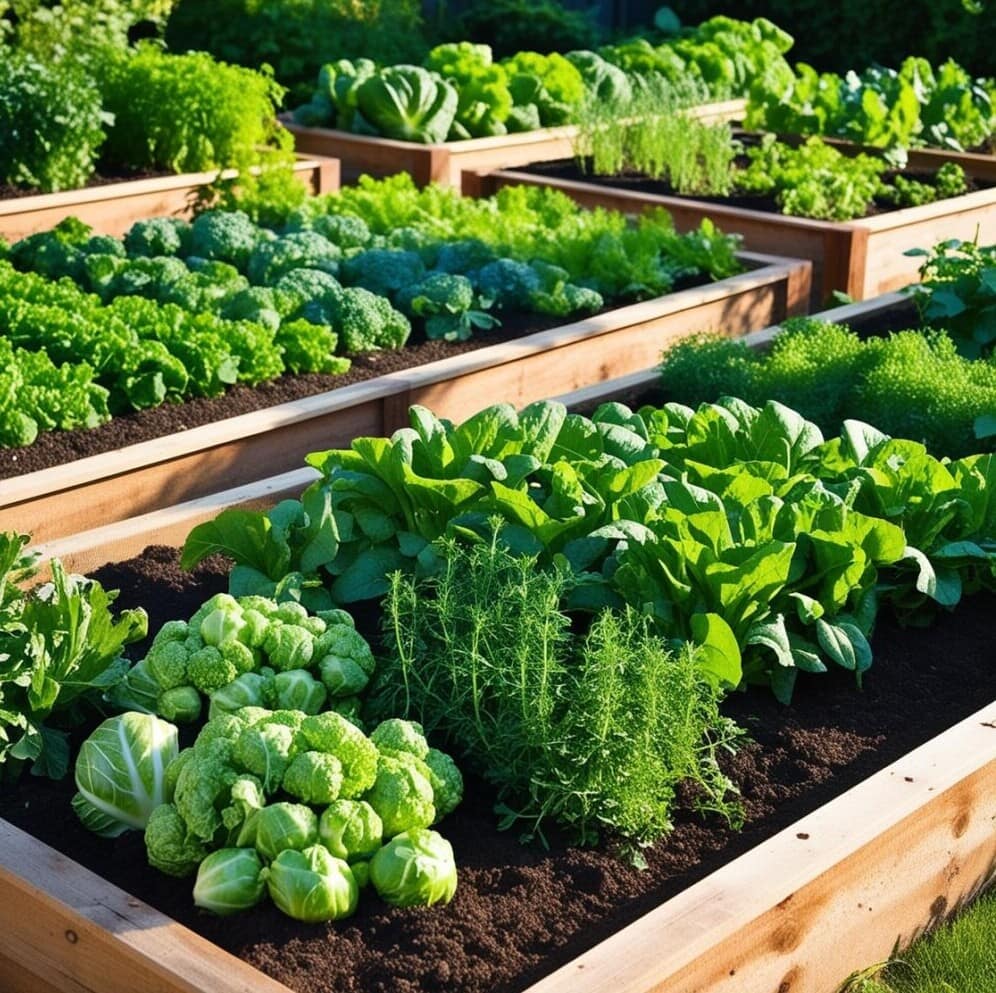
A well-planned raised bed layout can dramatically increase how much food you grow — even in a small space. Instead of planting randomly, using smart layouts helps improve airflow, reduce pest problems, and maximize every square inch of your garden.
Here are proven raised bed layout ideas that help you grow more with less effort.
1. Square-Foot Gardening Layout
This layout divides your raised bed into equal squares, usually 1×1 foot sections.
Best for:
- Beginners
- Small raised beds
- Organized planting
Why it works:
- Reduces overcrowding
- Makes spacing simple
- Easy crop rotation
Example:
- 1 square = 1 tomato
- 1 square = 4 lettuce
- 1 square = 9 spinach
2. Salad Garden Layout
Perfect for gardeners who want quick, continuous harvests.
Best crops:
- Lettuce
- Spinach
- Arugula
- Radishes
- Herbs
Why it works:
- Fast-growing crops
- Succession planting friendly
- Minimal maintenance
Tip:
Harvest outer leaves only to extend production.
3. Companion Planting Layout
This layout groups plants that benefit each other.
Great combinations:
- Tomatoes + basil
- Carrots + onions
- Lettuce + radishes
Why it works:
- Natural pest control
- Better flavor and growth
- Efficient space use
4. Vertical Layout for Raised Beds
Growing upward saves space and boosts yields.
Best crops:
- Cucumbers
- Beans
- Peas
- Small squash
Why it works:
- More plants per bed
- Better airflow
- Cleaner fruit
Tip:
Install trellises on the north side to avoid shading shorter plants.
5. Family-Style Raised Bed Layout
This layout focuses on staple vegetables your household eats most.
Best crops:
- Tomatoes
- Peppers
- Beans
- Kale
Why it works:
- Practical planning
- Efficient harvest cycles
- Great for meal prep
Tips for Maximum Yield
- Group plants by water needs
- Keep taller plants on the north side
- Use mulch to retain moisture
- Rotate crops each season
- Feed regularly with compost or organic fertilizer
Final Thoughts
A thoughtful raised bed layout transforms your garden from “good” to highly productive. Whether you prefer neat square-foot sections or lush companion planting, the right layout helps you grow more food with less stress.